Pros and Cons of Living in Miami: My Honest List
Is Miami Really the Right Move for You?
If you're thinking about moving to Miami, you've probably seen both versions of the city. There's the postcard version: turquoise water, palm trees, rooftop dinners, and sunshine in January. And there's the version people complain about: hurricanes, traffic on I-95, crowds, and a cost of living that has climbed fast.
The reality is that both versions are true. Every city has its pros and cons, and Miami is no exception. What matters is whether the way you like to live matches the way this city lives.
In this post, I'm sharing my honest list. First, the five things I love most about living in Miami. Then, the five trade-offs you should know about before you make the move. None of this is a hard yes or a hard no. It depends on your work, your budget, your lifestyle, and what you're willing to trade for what you gain.
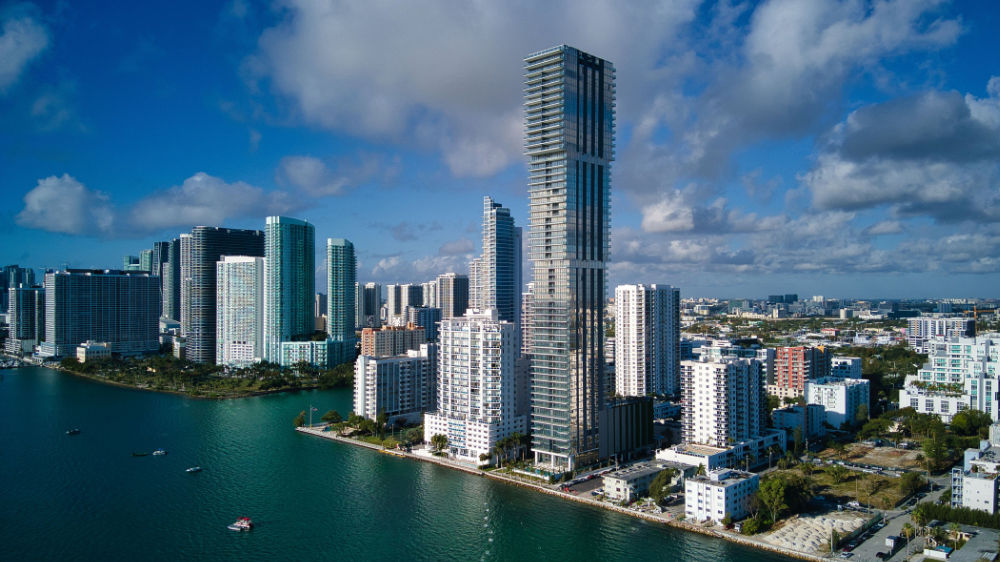
The Pros of Living in Miami
1. Year-Round Weather, Outdoor Living, and World-Class Beaches
Let's start with the obvious one. In Miami, winter looks a lot like summer somewhere else. You can wear shorts and a T-shirt pretty much all year, and that changes the way you spend your free time.
If you love being outside, this city gives you options every single weekend: scuba diving, snorkeling, fishing, swimming, surfing, boating, or simply lying in the sun with a good book. Florida is well known for its beaches, but Miami's stand out. The water is crystal clear, and Miami's beaches rank among the top in the entire country.
Picture a Saturday morning in February. You grab a coffee, you're on the sand before 10, and the water is warm enough to swim while friends back home are shoveling snow. For a lot of people I work with, that single image is the reason they started looking at Miami in the first place.
Now, the same tropical weather that gives you all of this also shows up on the cons list. I'll get to that below.
2. A Truly Diverse, International Culture
Miami is one of the most culturally diverse cities you'll find. You'll come across cuisines, music, and traditions from all over the world, and especially from Latin America. Roughly 70% of the city is Latin, and I'm part of that number myself.
What that means day to day is that you'll find incredible food and music in every corner of the city, all year long. Cuban, Venezuelan, Colombian, Peruvian, Argentinian, and so many more. You can travel through half a continent without leaving Miami-Dade County.
For anyone relocating from somewhere less international, this is often the part of Miami that surprises them the most, in a good way
3. Entertainment, Arts, Culture, and Nightlife
If you're all about museums, events, music festivals, and going out at night, this is your city. It's very hard to get bored here.
Miami hosts internationally known events like Art Basel, and the rest of the calendar stays full too. You'll find nightclubs, speakeasy-style bars, live music, and cultural events throughout the year. Wynwood is one of my favorite examples: a neighborhood known for its street art, galleries, and a great scene for grabbing a drink with friends.
There is always something to do in Miami, and that energy is a big part of why so many people want to live here.
4. Job Opportunities in a Growing Economy
Miami has long been known for tourism, so hospitality has always been one of its main industries. What's changed in recent years is the mix. Since the pandemic, finance and technology have grown significantly here, bringing more high-paying jobs and a bigger talent pool with them.
New companies continue to arrive, and the city has opened its doors to them with a range of incentives. Finance and real estate in particular are two of the markets that have been thriving. For professionals in those fields, the job market in Miami looks very different than it did not long ago.
If you work in hospitality or tourism, the demand is here too. It depends on your industry, but Miami offers far more career paths than its beach-town reputation suggests.
5. No State Income Tax
This is my favorite one. Florida has no state income tax.
In Miami, you pay federal income tax, sales tax, and property tax, but no state income tax on your paycheck. I moved here from New York, so I feel this one personally, and I'm grateful for it every year.
What does that mean for you? Depending on where you're moving from and how much you earn, you may keep noticeably more of your income than you do today. You're not only moving somewhere with great weather. You may also be saving more money in the process. Take it with a grain of salt, though: property taxes and insurance still apply, and those costs are part of the bigger cost-of-living picture below. The right way to evaluate it is to compare your full budget, not just your tax bill.
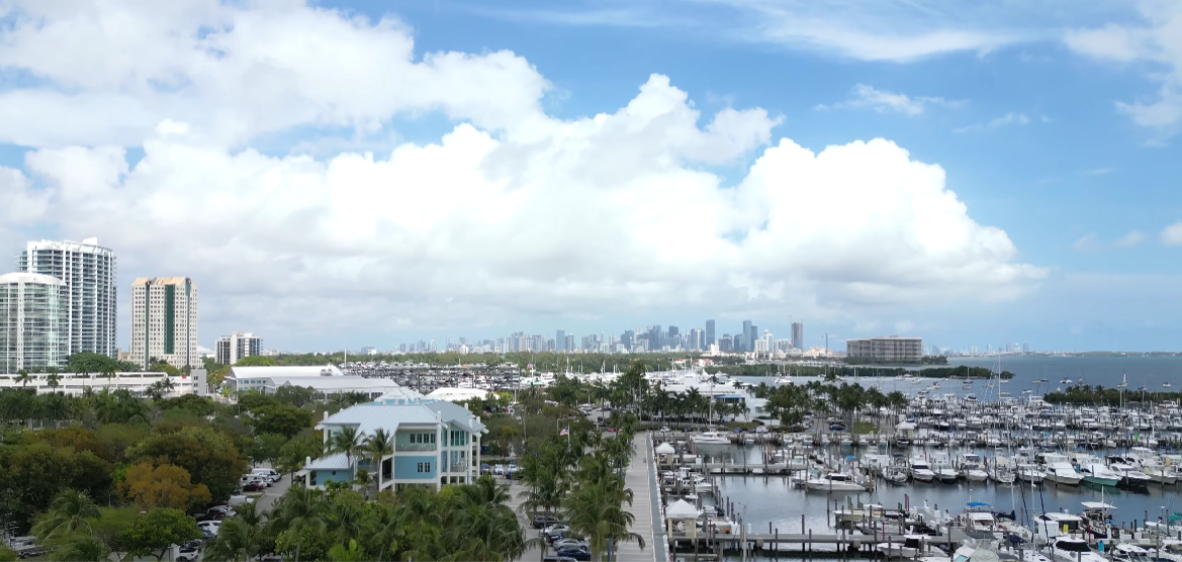
The Cons of Living in Miami
1. The Weather: Hurricanes, Storms, and Humidity
Yes, the weather is on both lists. The same climate that gives you year-round beach days also brings hurricane season, tropical storms, and humidity.
The day I recorded the video version of this list, a tropical storm was passing through, and I had to bring my balcony chairs inside before they blew away. That's Miami. It can pour rain, then turn dry and hot, then pour again, sometimes all in one afternoon. Nothing major has happened to me personally since I've lived here, but you should expect sudden weather changes and be prepared for storm season.
Then there's the humidity. It's hot, it's sticky, and you'll feel it most of the year. If you have hair that frizzes, you'll learn that lesson on your first day here. It's a small thing, but it's part of daily life in a tropical city.
If you're buying, this is also why it's worth understanding a property's storm preparedness, its location, and its insurance costs before you commit. Those details matter more here than in many other cities.
2. Traffic and Limited Public Transportation
In most of Miami, you need a car. There are a few very walkable neighborhoods, like Downtown, Brickell, and Wynwood, where you can live more of your life on foot. Outside of those areas, having a car isn't optional.
And driving here is, let's say, an experience. There are a lot of cars, a lot of aggressive drivers, and more accidents than anyone would like. I-95, the main highway, seems to be congested at almost any hour.
To give you a rough sense of distances, from Brickell you're about 20 minutes from Miami International Airport, about 20 minutes from Miami Beach, and roughly 10 to 15 minutes from Coconut Grove or Coral Gables. From Wynwood or Downtown, the airport and Miami Beach are each about 15 minutes away. Those are approximate drive times, and rush-hour traffic can easily stretch them.
My advice: be patient, and if you're relocating, try your best to live as close to your job as possible. Your commute will shape your quality of life here more than almost anything else.
3. Tourist Crowds and Spring Break
Tourism brings a lot of income to Miami, so this con is also a pro. But when the crowds arrive, you'll feel it.
Spring break in particular can be chaos. If you don't love crowds, avoid the Miami Beach area during spring break. Traffic gets heavier, restaurants fill up, and the popular neighborhoods see a constant flow of visitors coming in and out.
The good news is that Miami also has quieter, more laid-back neighborhoods. Edgewater, for example, has a more residential feel than Brickell, and Coconut Grove has a lush, relaxed, tree-lined character. The key is choosing wisely. Whether you're a family, a young entrepreneur, someone who wants to be close to the nightlife, or someone who wants to be near the water to fish on weekends, there is a neighborhood that fits the way you live. If you don't know the neighborhoods yet, that's exactly the kind of conversation I love having.
4. Schools and the Language Barrier
Spanish is widely spoken in Miami, and in many places it's the main language you'll hear. Depending on how you see it, that's either a challenge or an opportunity. Some people find it difficult to communicate at times. Others see it as a great chance to learn a new language. Either way, you'll likely run into it at some point.
Education is the other part of this. Families moving here are often concerned about schools, and that concern is valid. Some neighborhoods don't have the strongest schools, while others have excellent ones. Coral Gables, for example, is known for top-rated schools. The trade-off is that homes in areas with stronger schools tend to come at a higher price point.
If you have kids, it depends on your priorities and your budget, and it's worth researching schools and neighborhoods together rather than separately.
5. The Cost of Living and the Income Gap
This is the one everybody talks about. The cost of living in Miami has risen sharply since COVID. Housing prices went up significantly in a short period of time, both for renting and for buying, and rents climbed right along with them.
It's not only housing. Food, parking, homeowners insurance, health insurance, and property taxes have all gone up. For many people, that adds up to a real concern.
It also highlights a growing economic gap. Many working-class residents are struggling because their income hasn't kept pace with what it now costs to live here, even as so much wealth comes into the city. That's an honest reality of Miami today, and I think it's important to name it.
At the same time, some people still find Miami affordable, and it depends on where you're coming from and what you earn. If you're working in technology or finance, or relocating from a higher-cost city, living here can feel like a good deal for the lifestyle you get. If you're on a lower income, the pressure is much heavier. The best thing you can do is run your full numbers, including housing, insurance, and your commute, before you make the move.
What This Means for You
If You're Relocating or Buying
Miami rewards people who choose their neighborhood carefully. Most of the cons on this list, like traffic, crowds, schools, and even cost, look very different depending on where you live. Start with how you want to spend a normal Tuesday and a normal Saturday, then work backward to the neighborhood that fits.
If You're Investing
Miami's appeal to relocating professionals, second-home buyers, and visitors is part of what draws investors here. It depends on your strategy, though. Rental rules vary from building to building and area to area, and costs like insurance and property taxes affect your returns. Go in with clear numbers and a clear plan.
If You Already Own a Home in Miami
If you've been thinking about making a move, whether that's upgrading, downsizing, or relocating within South Florida, it's worth knowing where your home stands today. Let's have a conversation. No pressure, no commitment, just a real look at your options.
The Honest Summary
The good: year-round warm weather, crystal-clear beaches, endless outdoor activities, a rich international culture, great food and music, a full calendar of arts and nightlife, a growing job market in finance and technology, and no state income tax.
The trade-offs: hurricanes, storms, and humidity, heavy traffic with limited public transportation, tourist crowds and spring break, a language barrier for some, uneven schools across neighborhoods, and a cost of living that has risen quickly and put real pressure on many residents.
Is Miami the right place for you? It depends. It depends on your job, your budget, your family, and how you like to live. What I can tell you is that the people who are happiest here are the ones who went in with the full picture and chose a neighborhood that fits their life.
Let's Make the Move
If you're looking to buy, sell, rent, or invest in Miami or anywhere in South Florida, please do not hesitate to reach out to me. All of my information is below. Send me a text, send me an email, give me a call, and I'll be more than happy to help you make the move.
And even if you're not ready yet, whether you're thinking about moving in three months, six months, a year, or two or three years from now, it's good to have a conversation. I'm always happy to answer your questions about neighborhoods, buildings, communities, or anything related to relocating to Miami
Stefania Mogollon
Miami & South Florida Real Estate Agent
📱 305.600.9602 (call or text)
📧 [email protected]
🌐 Miamicondoshouses.com
Sign up: Newsletter & Market Updates
Ready to Discuss Your Real Estate Goals? Book a Consultation
Check out this article next

Relocating to Miami? What Nobody Tells You
Are You Thinking of Making Miami Your Next Home?
Read Article